Compliance with ZATCA
With the rapid pace of digital transformation in Saudi Arabia, E-invoicing is no longer just a regulatory requirement, it has become a fundamental part of how businesses operate and scale.
And with the implementation of ZATCA Phase 2 E-invoicing, businesses are now required to move beyond basic E-invoice generation and adopt fully integrated systems that enable real-time validation and seamless compliance with the Fatoora platform.
In this article, we explore the key aspects businesses need to understand and how to approach them in a practical and efficient way.
What is E-invoicing in Saudi Arabia?
E-invoicing refers to the process of issuing, exchanging, and storing invoices in a structured digital format through an integrated system, in line with the requirements of the ZATCA.
In Saudi Arabia, E-invoicing is implemented under a Continuous Transaction Control (CTC) framework, specifically following a centralized clearance model for certain transaction types. This means that invoices are not only generated digitally but are also validated and approved by ZATCA before they are legally recognized.
A compliant E-invoice in Saudi Arabia must meet several key requirements:
For an invoice to be compliant, it has to be:
- Generated in a structured electronic format (XML)
- Equipped with a QR code for verification
- Fully integrated with ZATCA system (Fatoora Platform)
- Subject to validation or reporting, depending on the invoice type
The system operates under a dual-model approach, depending on whether the transaction is B2B (Business-to-Business) or B2C (Business-to-Consumer):
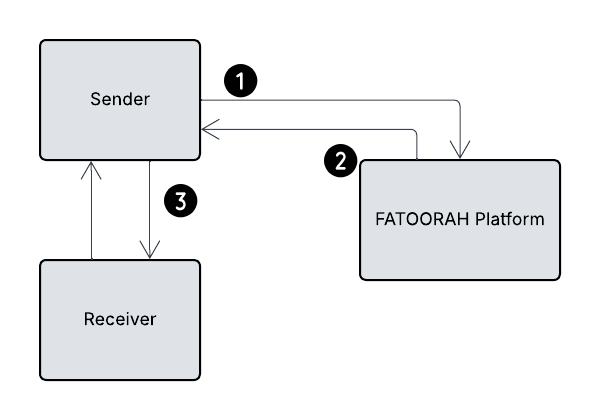
For B2B transactions (Clearance Model):
Invoices must be submitted to ZATCA in real time for validation before being shared with the buyer. Once validated, the invoice receives a cryptographic stamp, confirming its authenticity and legal validity. Without this clearance, the invoice is not considered compliant.
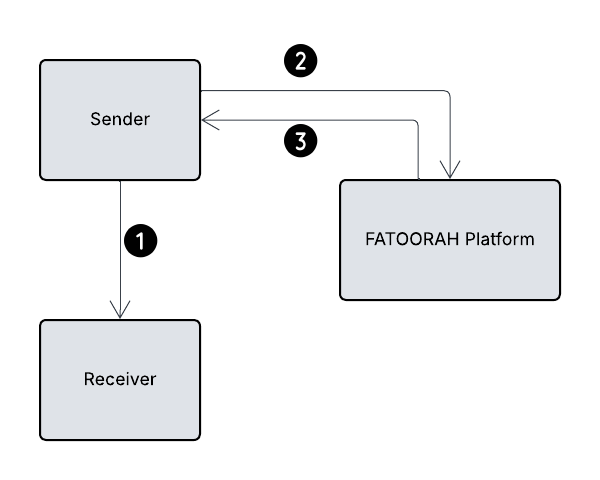
For B2C transactions (Reporting Model):
Invoices can be issued directly to the customer but must be reported to ZATCA within 24 hours. While prior clearance is not required, timely reporting remains mandatory to ensure compliance.
At the core of this system is the FATOORA platform, which acts as a centralized hub for invoice validation, reporting, and compliance enforcement. Businesses are required to integrate their systems directly with this platform to ensure seamless data exchange.
This transformation goes beyond regulatory compliance. It aims to enhance transparency, reduce manual errors, and improve operational efficiency, while enabling real-time visibility for tax authorities and better control over financial transactions.
Who is Required To Comply with ZATCA?
According to official ZATCA regulations, E-invoicing requirements apply to all taxpayers subject to VAT in Saudi Arabia, with limited exceptions.
This includes:
- All VAT-registered businesses residing in Saudi Arabia, regardless of size or industry
- Any entity issuing tax invoices for taxable transactions (including both B2B and B2C activities)
- Third parties issuing invoices on behalf of VAT-registered taxpayers, such as accredited service providers.
ZATCA confirms that the E-invoicing mandate applies broadly to all VAT-registered persons and those acting on their behalf, making compliance a universal requirement across the Saudi market. However, non-resident taxpayers are generally excluded from the scope of the E-invoicing regulation.
Phase 2 – The Integration Phase: What Changed?
With Phase 2, compliance extends beyond generating invoices electronically. Businesses are now required to:
- Integrate their systems with the FATOORA platform
- Submit invoices for real-time validation
- Include technical elements such as UUID and digital signatures
- Generate invoices in XML format
This phase is being implemented in waves based on business turnover, giving companies time to prepare while emphasizing the need for technical readiness.
Types of ZATCA Invoices KSA
Under the regulations of the ZATCA, there are only two official types of E-invoices:
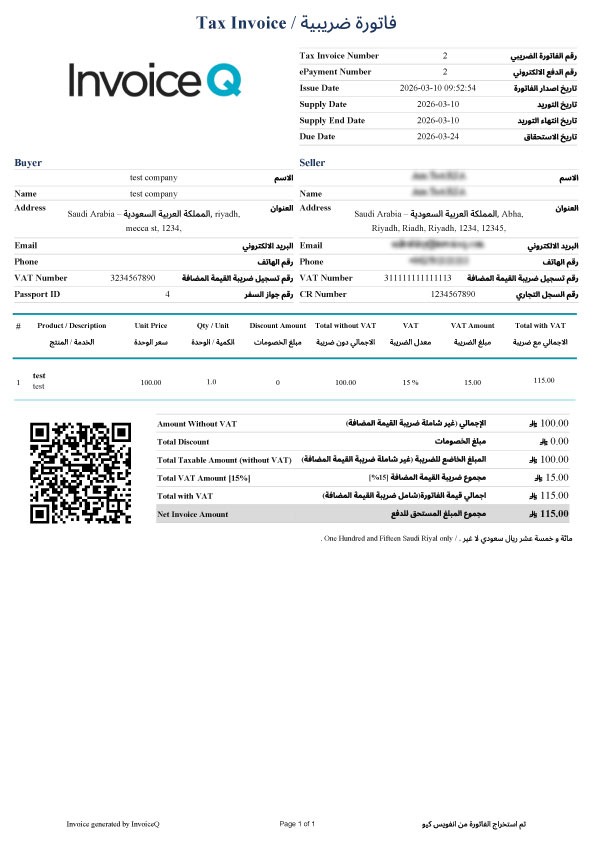
1. Tax Invoice – B2B
A Tax Invoice is issued for transactions between VAT-registered businesses (B2B).
- Follows the Clearance Model
- Must be submitted to ZATCA for real-time validation before sharing with the buyer
- ZATCA verifies the invoice and applies a cryptographic stamp
- The invoice is only considered valid after clearance
- Includes full buyer details (such as VAT number)
- Allows input VAT deduction
ZATCA explicitly states that tax invoices follow the clearance process, meaning they must be validated before issuance to the customer.
2. Simplified Tax Invoice – B2C
A Simplified Tax Invoice is issued for transactions with end consumers (B2C).
- Follows the Reporting Model
- Can be issued directly to the customer
- Must be reported to ZATCA within 24 hours of issuance
- Must include a QR code
- Generated with a cryptographic stamp from the system
- Does not support input VAT deduction
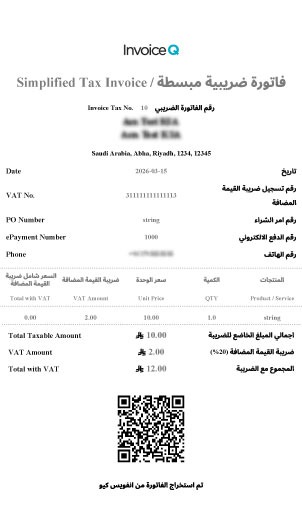
ZATCA confirms that simplified invoices must be reported within a maximum of 24 hours, rather than cleared in real time. This distinction is fundamental in Saudi Arabia’s E-invoicing system and determines how invoices are processed, validated, and shared.
Common Challenges Businesses Face
While the requirements are clearly defined, implementation can present challenges such as:
- Integrating with existing ERP or POS systems
- Managing multiple branches or systems
- Handling real-time validation requirements
- Keeping up with ongoing regulatory updates
This is where specialized solutions play a critical role in simplifying the process.
How InvoiceQ Supports Your Compliance Journey
InvoiceQ is designed to act as a compliance and integration layer, enabling businesses to meet ZATCA requirements while maintaining their existing systems and workflows.
With InvoiceQ, businesses can:
- Integrate seamlessly with ZATCA (FATOORA platform) without replacing their current ERP, accounting, or POS systems
- Automate invoice generation, validation, and submission, reducing manual intervention and errors
- Ensure full compliance with Phase 2 (Integration Phase) requirements, including real-time data exchange and structured invoice formats
- Centralize invoice management through a secure and scalable platform that supports different business needs and integration models (API, Cloud, or On-Premises)
By acting as a bridge between business systems and ZATCA, InvoiceQ removes the technical complexity of compliance and allows organizations to focus on their core operations with confidence.
Conclusion
E-invoicing in Saudi Arabia represents a significant step toward a more efficient and transparent business environment. As regulatory requirements continue to evolve, adopting the right E-invoicing solution provider becomes essential.